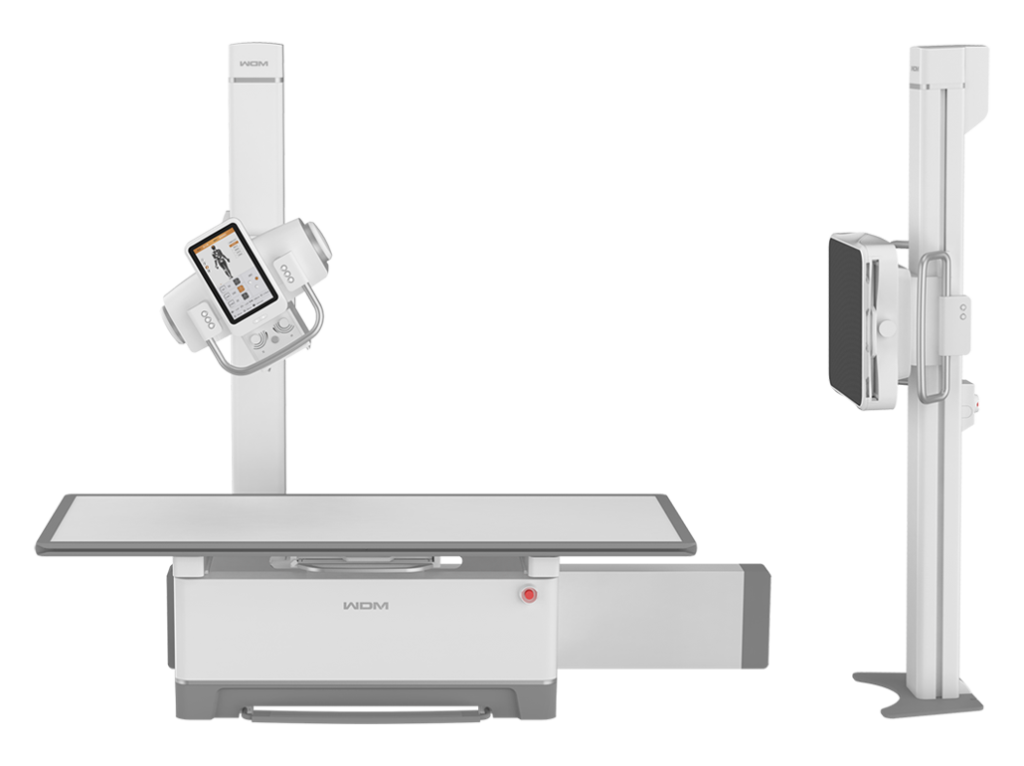
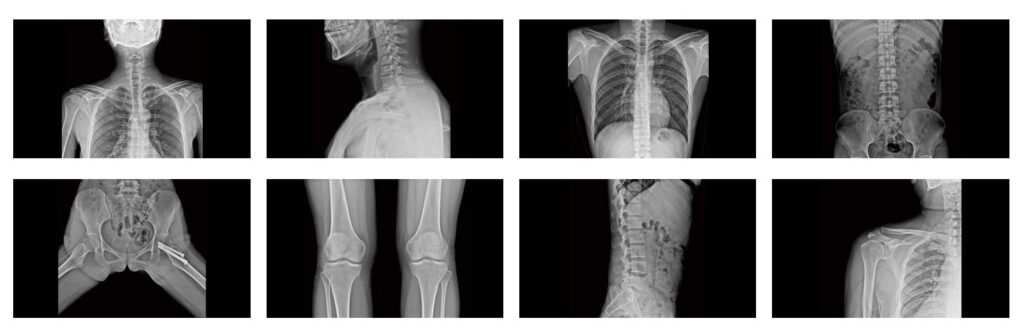
Digital X-rays are versatile and used across the body. In general medical imaging, digital X-rays are used to diagnose fractures, joint abnormalities, and bone infections; evaluate chest and lung conditions; and assist in pre-surgical and post-surgical planning. They are also used in emergency and inpatient settings where rapid imaging is critical.
Contraindications, Limitations, and Safety Considerations
- Safety
While digital X-rays significantly reduce radiation exposure, they still involve ionizing radiation. Patients should inform the radiographer if there is any possibility of pregnancy, especially for examinations involving the abdomen or pelvis. - Limitations
Image quality can be suboptimal in patients with a thick chest wall or severe underweight, which may limit penetration for certain comparisons. - Patient Preparation
Minimal preparation is required: patients should remove metallic objects from the area of interest. For abdominal or pelvic imaging, patients may be advised on fasting or bladder preparation depending on the indication.